What happens on the day, how often it should happen, and what you’re left with once we’ve gone.
The boiler is shut down and isolated by your site team or your boiler contractor, and left to cool before we open anything.
We work in through the inspection hatches. Where a flue runs high, we’ll have agreed access kit at the survey.
The full flue run is cleaned with rods and our own made-to-fit fittings, with deposits drawn off under vacuum so they don’t end up in the plant room.
We check the flue way, joints, liner and terminal, and photograph what we find from the inside.
Each flue is scored out of 100 across soot, obstruction, liner, structural integrity and defects.
Each boiler gets its own certificate and a sticker showing the last clean and the next one due. The report follows.
There isn’t one answer. Wood chip fouls differently from pellet, wet fuel differently from dry, and a boiler running flat out all winter needs more attention than one covering a summer hot-water load.
Most of the plant we look after is on a six or twelve-monthly clean. Some sites alternate a full clean with a lighter interim clean six months later. If we find heavy tarring, we’ll recommend bringing the next clean forward rather than waiting for the cycle.
A fouled flue costs you twice: in fuel, because the plant has to work harder, and in the flue itself, because deposits hold acidic condensate against the wall. Most of the corrosion we find is on flues that went too long between cleans.
Your insurer, your boiler manufacturer or your maintenance contract may also expect documented flue cleaning. Our reports are written so they can go straight into that file.
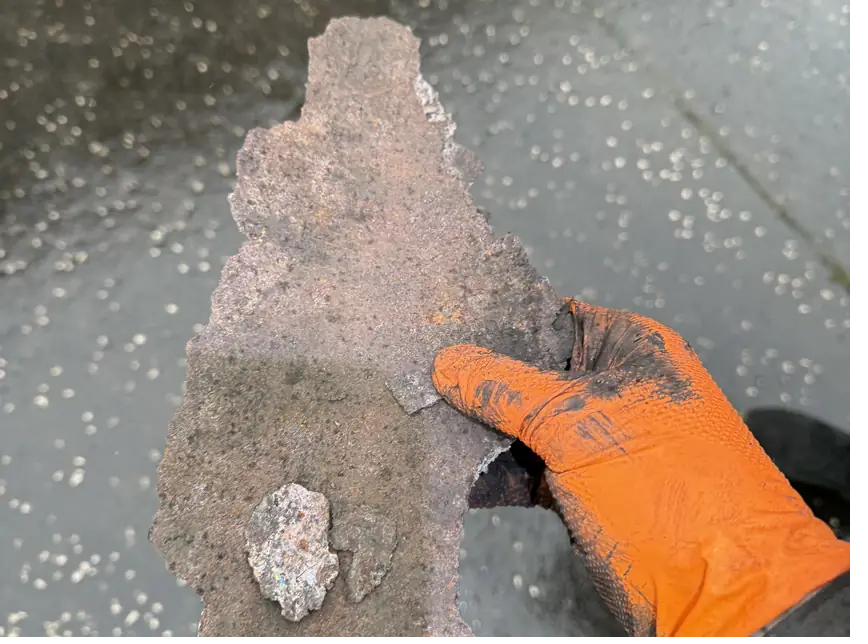
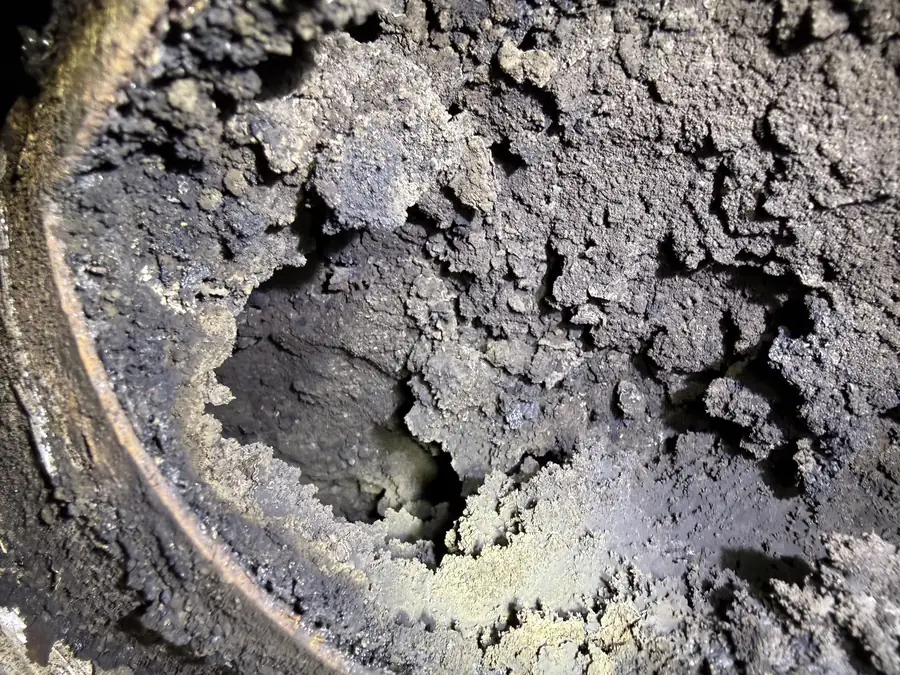
Each flue gets a condition score out of 100 across five areas — soot, obstruction, liner, structural integrity and defects — with photographs from inside the flue. Each boiler gets its own certificate, and a sticker on the boiler shows when it was last cleaned and when it’s next due.
Because the scoring is the same every visit, you can see a flue getting worse over a year or two and plan the repair, rather than finding out when it fails.
See an example report — it’s for a made-up site, so you can see exactly what you’d get without anyone else’s details on show.

See also: commercial oil flue cleaning · commercial biomass overview
Yes. The boiler has to be shut down, isolated and cooled before we open the flue. Your site team or boiler contractor usually handles the isolation, and we’ll agree timings in advance.
A straightforward single-boiler site can be done in a few hours. Large flues, several boilers or high access can take one to three days. We’ll tell you at the survey.
No. We clean and inspect flues only. We’re happy to coordinate with your boiler contractor so both happen in the same shutdown.
Deposits are drawn off under vacuum as we work, so they’re contained rather than spread around the plant room.
Tell us what you’re running and roughly where. We’ll come and look before quoting anything.
We only need the first half of the site postcode at this stage. Nothing you send here is shared or published.
We’ve got your details and will be in touch within one working day.